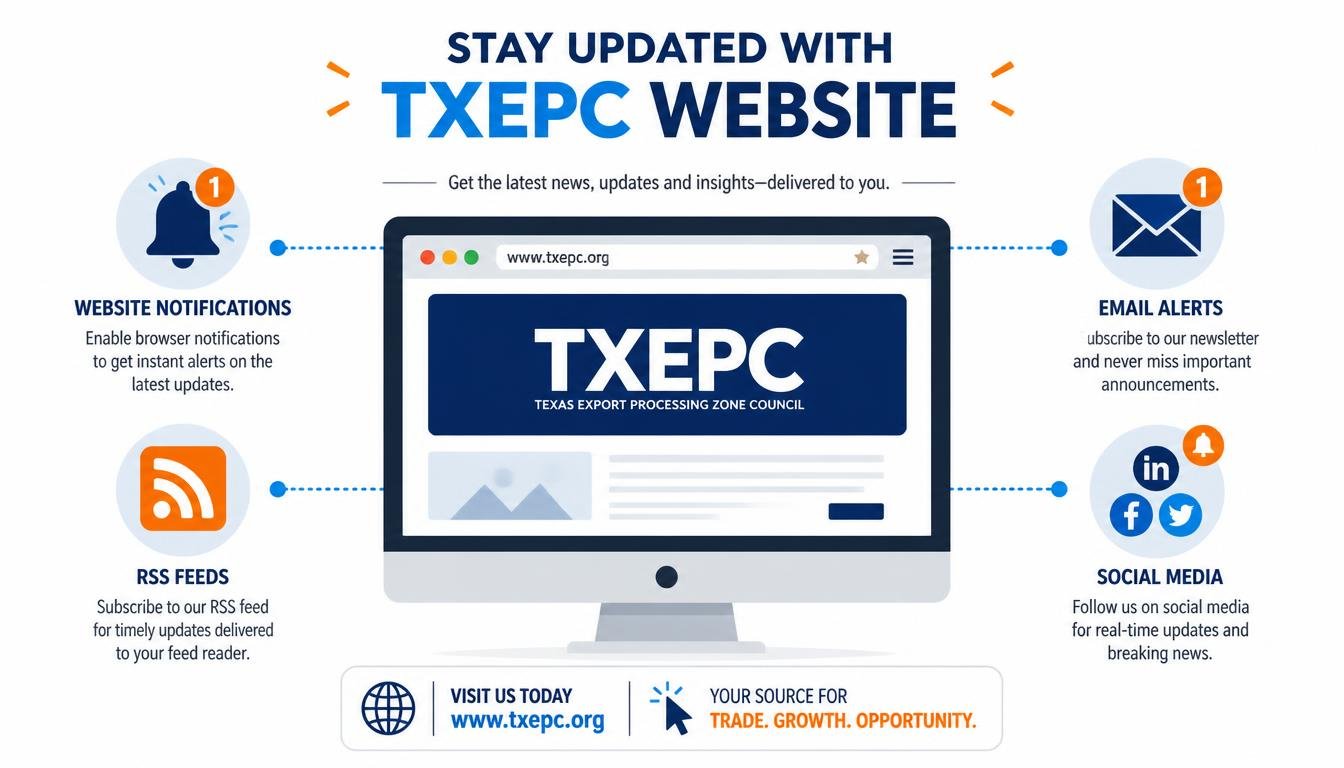
How to Stay Always Updated With TXEPC Site
Staying always updated with TXEPC site requires a blend of proactive monitoring and utilizing the right digital tools. Whether you are tracking industry news, specific project developments, or general announcements, understanding the cadence of their platform is essential.
By learning how to navigate their digital ecosystem, you ensure that you never miss a critical piece of information. This process involves more than just refreshing a browser; it is about knowing where to look and how to prioritize the data that matters most to your interests.
Direct Monitoring of the Official Platform
The most reliable way to stay informed is by visiting the official portal regularly. Frequent checks allow you to see new content as soon as it is published.
While it might seem rudimentary, many users rely on third-party aggregators that often delay the delivery of time-sensitive news. By making the site a part of your daily digital routine, you gain a first-hand look at the latest updates.
You should pay close attention to the homepage, as major announcements are typically pinned there. Look for sections labeled “News,” “Announcements,” or “Latest Updates” located in the header or sidebar.
These areas are specifically curated to highlight the most recent developments. Bookmarking these specific sub-pages in your browser can save you time during your daily search for fresh content.
Leveraging Browser Notifications
Modern web browsers offer built-in features that can alert you to changes on a webpage. If the TXEPC site supports push notifications, enabling them is a highly effective strategy.
This method removes the need for manual checking, as your computer or smartphone will ping you the moment a new article or update is posted. You can usually find the option to enable these alerts in the browser’s settings or through a prompt that appears upon visiting the site.
If the site does not have a native notification system, you can use third-party tools like “distill.io” or similar web monitoring extensions. These tools allow you to select a specific area of the page—such as a news feed—to monitor for changes.
When the text or images in that area shift, the extension sends a notification to your device. This is a common practice for professionals who need to act quickly on new information.
Utilizing RSS Feeds for Content Tracking
RSS (Really Simple Syndication) remains one of the most efficient ways to track updates from a specific source. If the TXEPC site provides an RSS feed, you can add it to an aggregator like Feedly or Inoreader.
These platforms pull the latest headlines and summaries into a single, clean interface. You can then scan these updates in seconds without having to navigate away from your primary dashboard.
Check the footer or the metadata of the site for an RSS icon, which is often orange. If you do not see a direct link, you can sometimes append “/feed” or “/rss” to the main URL to see if a feed exists.
Aggregators are particularly useful because they archive the content, allowing you to search through past updates if you need to reference something from a few months ago. This creates a personal archive that is much easier to manage than a browser history.
Read More: Library Logos FLPMarkable: Free Logo Guide
The Role of Social Media Channels
Most organizations use their social media profiles as an extension of their main website. Following their official accounts on platforms like X (formerly Twitter) or LinkedIn can keep you in the loop regarding minor updates that might not warrant a full article on the site.
These channels are often used for quick, real-time communication. Engaging with these posts can also help you see discussions from other community members who are also tracking the site.
Turn on post notifications for the official accounts to ensure you see their updates immediately. This is particularly helpful for time-sensitive announcements, such as maintenance schedules or new feature rollouts.
While the website remains the primary source for detailed information, social media acts as an early warning system. Integrating these feeds into your workflow provides a comprehensive view of what is happening.
Understanding Update Frequency
Not all sites update at the same rate, and understanding the rhythm of the TXEPC site is key to efficient monitoring. Some platforms update daily, while others may only have significant new content on a weekly or monthly basis.
If you find that there is rarely anything new, you might be over-monitoring, which leads to fatigue. Conversely, if updates are frequent, you need a more automated system to keep up.
You can often gauge the update frequency by looking at the timestamps on the most recent articles. If the latest post is several months old, you might only need to check the site once a month.
If there are multiple updates per week, you should lean toward using an RSS reader or a dedicated monitoring tool. Adjusting your strategy based on this cadence ensures your efforts are sustainable over the long term.
Data Comparison of Monitoring Methods
Choosing the right method depends on your technical comfort and the urgency of the information. The following table compares common ways to track updates to help you decide which approach fits your needs best.
| Method | Effort Level | Speed of Update | Best For |
|---|---|---|---|
| Manual Checking | High | Slow | Casual users |
| RSS Feeds | Low | Medium | Daily readers |
| Browser Extensions | Medium | Fast | Time-sensitive news |
| Social Media Alerts | Low | Instant | Breaking announcements |
Participating in Community Discussions
Often, the community surrounding a site is faster at identifying changes than the site itself. Participating in forums, Discord servers, or subreddits related to the site can provide valuable context.
Other users often share links to new updates or discuss the implications of recent changes. This is an excellent way to gain deeper insights into the content you are tracking.
However, be sure to verify information obtained from community sources against the official site. Rumors can spread quickly, and it is important to distinguish between confirmed facts and speculation.
Using these communities as a sounding board rather than a primary source of truth will keep your information accurate. This social layer adds a human element to the technical process of staying updated.
Key Steps for Staying Informed
To streamline your process, consider a multi-layered approach that combines different tools for maximum coverage. The following checklist outlines the most effective steps you can take today to ensure you are always in the loop.
- Bookmark the primary news or announcement page for quick access.
- Follow the official social media handles and enable push notifications.
- Install a browser extension to monitor specific sections for visual changes.
- Subscribe to an RSS feed if one is available for the site’s blog.
- Join relevant community forums to discuss new updates with other users.
Frequently Asked Questions
How often should I check for new content?
The frequency depends on the site’s activity level. If you see daily updates, a once-a-day check via an RSS reader is ideal. If the site is less active, a weekly check is usually sufficient to stay caught up.
What if the site does not have an RSS feed?
If an RSS feed is missing, use a website monitoring tool or browser extension. These tools track specific page elements and notify you when they change. You can find many free options in the Chrome or Firefox extension stores.
Are there official newsletters I can join?
Many organizations offer email newsletters. Checking the site’s subscription page is a great way to get updates delivered directly to your inbox. This is often the most reliable way to receive major announcements without needing to visit the site manually.
Why is it important to verify community information?
Community forums are excellent for discussion, but they are not always accurate. Always cross-reference any claims made by other users with the official documentation on the site. This protects you from relying on incorrect or outdated information.
Can I use mobile apps to stay updated?
Yes, if the organization has an official app, it is often the fastest way to receive notifications. Even without an app, your mobile browser can be used to set up shortcuts to the site’s most important pages on your home screen.
Final Thoughts on Keeping Current
Mastering the art of staying always updated with TXEPC site is a matter of building a system that works for you. By combining the immediacy of social media alerts with the organization of RSS feeds, you create a safety net for important information.
Remember that the goal is to remain informed without becoming overwhelmed by noise. Focus on the channels that provide the most value to your specific interests and ignore the rest.
If you find that your current method is too time-consuming, do not hesitate to adjust your approach. Technology changes rapidly, and new tools are constantly emerging to help you track your favorite sites more efficiently.
Take a moment to audit your current workflow and see if there are ways to automate the process. Staying connected is a continuous effort, but with the right tools, it becomes a simple part of your day.




One Comment