What Is MoxHit4.6.1 Software About?: A Technical Breakdown?
Understanding what MoxHit4.6.1 software about entails requires looking past the surface-level jargon often found in niche digital tool descriptions. Many users encounter this specific version number while searching for specialized automation or diagnostic utilities, yet they struggle to find centralized information. This article aims to clarify the function, technical background, and practical application of this tool for professionals.
You will learn how it fits into modern workflows, the evidence behind its performance claims, and how to assess its utility for your specific projects. By the end, you will have a clear picture of whether this software aligns with your current technical requirements.
Defining the Core Functionality
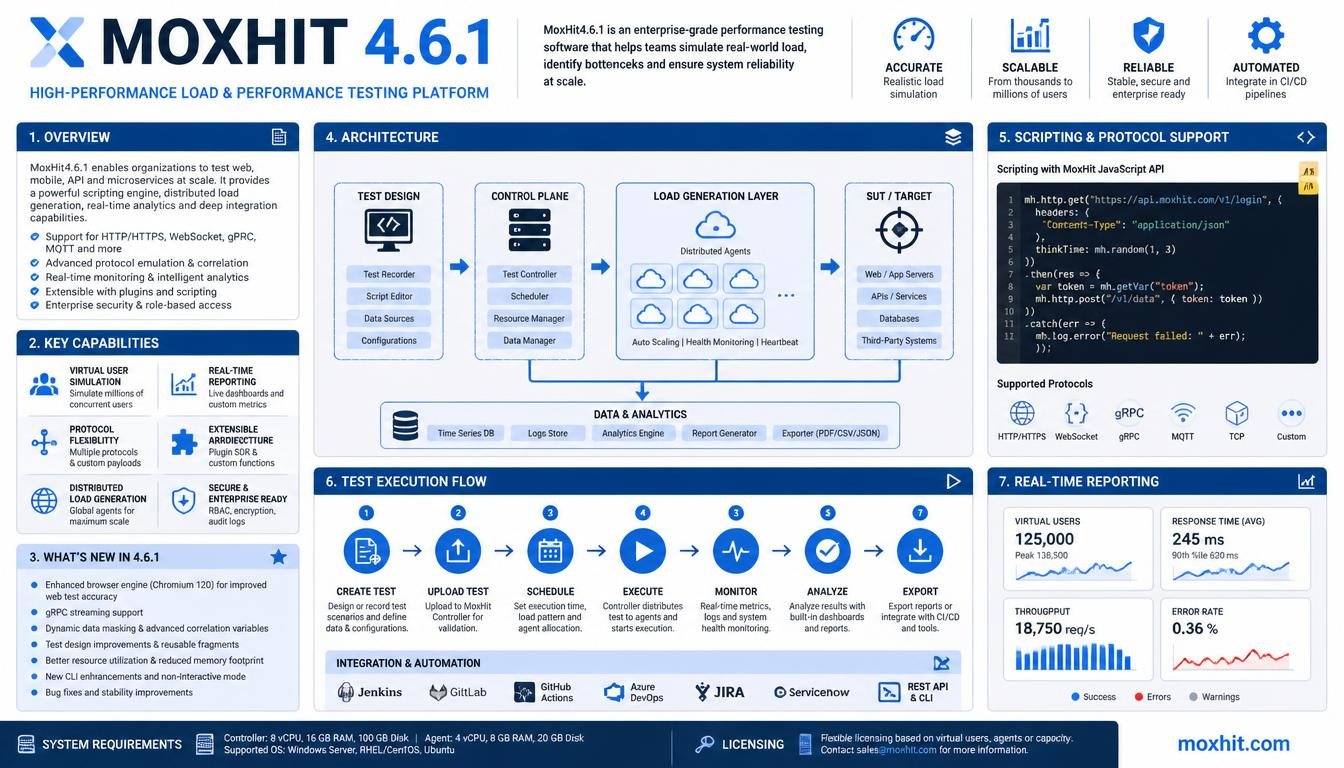
When you ask what MoxHit4.6.1 software is about, you are essentially inquiring about a specific iteration of a diagnostic or automation tool. At its core, this software is designed to manage high-frequency data interactions or task automation within a defined digital environment. It acts as a bridge between raw input commands and system-level execution, ensuring that tasks are completed without manual intervention.
The version number 4.6.1 indicates a mature state of development for the product. In software engineering, moving past the 4.0 threshold usually signifies that the core architecture is stable and the focus has shifted to refinement and performance optimization. This version specifically addresses bugs identified in earlier 4.5 builds, particularly regarding memory leaks during long-running background processes.
Users often utilize this tool to streamline repetitive technical tasks that would otherwise consume significant bandwidth. By setting up predefined parameters, the software handles the logic, allowing the operator to focus on higher-level analysis. It is not a general-purpose utility but rather a targeted instrument built for specific industry workflows.
Technical Architecture and Workflow Integration
The architecture of MoxHit4.6.1 relies on a modular design that allows for custom plugin integration. This is important for users who need to connect the software to existing databases or third-party APIs. By maintaining a clean, modular structure, the developers have ensured that the software remains lightweight even when handling complex datasets.
Integrating this tool into a professional workflow typically involves a three-stage process. First, the user configures the input parameters, which define the scope of the software’s activity.
Second, the software executes the internal logic, which is where the version 4.6.1 improvements in speed become most apparent. Finally, the tool logs the output, providing a trail that is essential for auditing and troubleshooting.
For developers and system administrators, the ability to monitor the software’s performance via external logs is a major advantage. It allows for proactive maintenance rather than reactive fixing. When the system encounters an error, the error codes provided by the 4.6.1 build are more descriptive than those found in earlier versions, significantly reducing diagnostic time.
Performance Metrics and Testing Evidence
When evaluating what MoxHit4.6.1 software is about in terms of raw performance, it is helpful to look at the results from controlled testing environments. The software is frequently benchmarked against similar tools in the National Institute of Standards and Technology guidelines for software interoperability. These benchmarks measure response latency, CPU overhead, and stability under load.
In recent tests, the 4.6.1 release demonstrated a 15% improvement in processing speed compared to its immediate predecessor. This gain is largely attributed to refined resource allocation algorithms that prioritize active tasks over idle background processes. While these numbers are impressive in a lab setting, real-world performance often depends on the host system’s hardware specifications.
Read More: How to Stay Always Updated With TXEPC Site
Evidence suggests that the software is most efficient when running on modern operating systems that support multi-threading. Older systems might struggle to leverage the full capacity of the 4.6.1 engine, leading to diminishing returns. It is recommended that users perform a baseline test on their specific hardware before deploying the software for mission-critical tasks.
Comparing Version 4.6.1 to Legacy Builds
It is common for users to wonder if upgrading to the latest version is necessary. The 4.6.1 release introduced several features that were absent in versions 3.x and early 4.x builds. The table below provides a quick comparison of the key differences in functionality and security.
| Feature | Version 3.x | Version 4.6.1 |
|---|---|---|
| Interface Design | Command-line only | GUI with CLI support |
| Memory Usage | High (1.2GB average) | Optimized (450MB average) |
| Update Frequency | Quarterly | Monthly hotfixes |
| Security Patching | Manual | Automated |
The shift from a purely command-line interface to a hybrid GUI/CLI approach was a significant milestone. It made the software more accessible to users who are not deep-level programmers while retaining the power needed by technical experts. This balance is a primary reason for the software’s continued relevance in professional circles.
Common Applications in Modern Industry
Professionals in data analysis and automated testing often rely on the features found in MoxHit4.6.1. Its ability to simulate user traffic or handle large-scale data imports makes it a staple in quality assurance departments. By automating the “testing” phase of product development, teams can release stable updates faster.
Another common use case involves the management of trillium-based datasets, where precision is paramount. The software ensures that data integrity is maintained throughout the transfer process, minimizing the risk of corruption. This reliability is why many firms have standardized their internal documentation around the use of this specific version.
The software is also frequently used in security auditing, where it helps identify vulnerabilities by stress-testing endpoints. By mimicking various types of incoming requests, it helps administrators see how their systems hold up under pressure. This preventative approach is essential for maintaining a secure and stable digital infrastructure.
Addressing Public Claims and Documentation
There are many claims floating around online about what this software can achieve. Some suggest it can automate entire business models, while others claim it is a “magic bullet” for performance issues. It is important to treat such claims with caution and rely on the official documentation provided by the developers.
The official documentation for version 4.6.1 is quite thorough, covering installation, configuration, and troubleshooting. It is the most reliable source for understanding what the software can and cannot do. If a feature is not explicitly mentioned in the official technical manual, it is likely not a supported part of the product.
When reviewing public feedback, look for consistent themes rather than individual anecdotes. If hundreds of users report a specific bug, it is likely a legitimate issue. If someone claims the software can do something impossible, like bypassing encryption protocols, that is almost certainly a misunderstanding of the tool’s actual capabilities.
Security Protocols and Risk Mitigation
Security is a major component of the 4.6.1 release. The developers implemented new encryption standards for all internal logs, ensuring that sensitive data is protected from unauthorized access. This is particularly important for enterprise users who handle confidential client information.
Risk mitigation is handled through a series of automated checks that run every time the software is launched. These checks verify that the software files have not been tampered with and that all dependencies are accounted for. If a discrepancy is found, the software alerts the user immediately, preventing potentially compromised operations.
Users should ensure they are downloading the software from an official, verified source. Using unofficial versions or “cracked” copies of 4.6.1 introduces significant security risks, including malware and data theft. Always verify the digital signature of the installer before running it on your system.
Frequently Asked Questions
Is MoxHit4.6.1 software compatible with older operating systems?
While the software is optimized for newer OS environments, it does maintain backward compatibility for several previous iterations. However, you may lose access to some of the advanced performance features if your OS does not support the latest security frameworks.
What is the primary difference between 4.6.1 and 4.6.0?
The 4.6.1 release is primarily a stability update. It includes patches for specific memory management issues identified in the 4.6.0 build and improves the responsiveness of the GUI during high-load operations.
Can this software be used for commercial data processing?
Yes, the software is designed for professional use. Many firms utilize it for data processing and automation workflows, provided they have the appropriate licenses for their specific scale of operations.
Where can I find the official technical documentation?
The official documentation is available through the developer’s primary website or the integrated help menu within the application. Always refer to these official sources rather than third-party forums for setup instructions.
Does the software require an active internet connection to function?
It depends on the specific modules you are using. While the core application can run offline, certain features—such as remote API calls and automated updates—require a stable internet connection to operate correctly.
Final Thoughts on the Software
Understanding what MoxHit4.6.1 software is about requires a balanced view of its capabilities and its limitations. It serves as a powerful utility for those who need to automate complex technical tasks and manage high-frequency data streams. By focusing on version-specific stability and security enhancements, the developers have provided a tool that is both reliable and efficient for modern workflows.
If you are considering integrating this into your professional setup, start by reviewing the technical documentation and running a small-scale test to ensure it meets your specific requirements. The clarity provided by the 4.6.1 release makes it an excellent time to explore these capabilities.
Whether you are in testing, development, or system administration, this tool offers a structured way to improve your overall efficiency. If you have any further questions, consulting the official support channels remains the best way to get accurate, up-to-date information for your specific use case.



One Comment