Crackstube: What Is It, How Does It Work, and Is It Safe?
The online platform known as Crackstube has surfaced in various digital search results, often leaving users curious about its true function and origin. Understanding the nature of Crackstube: What Is It, How Does It Work, and Is It Safe requires a clear look at how such domains operate within the broader landscape of internet publishing. This article provides a breakdown of its core mechanics, the risks typically associated with similar sites, and how to verify the safety of any web destination before you click.
Defining the Nature of Crackstube
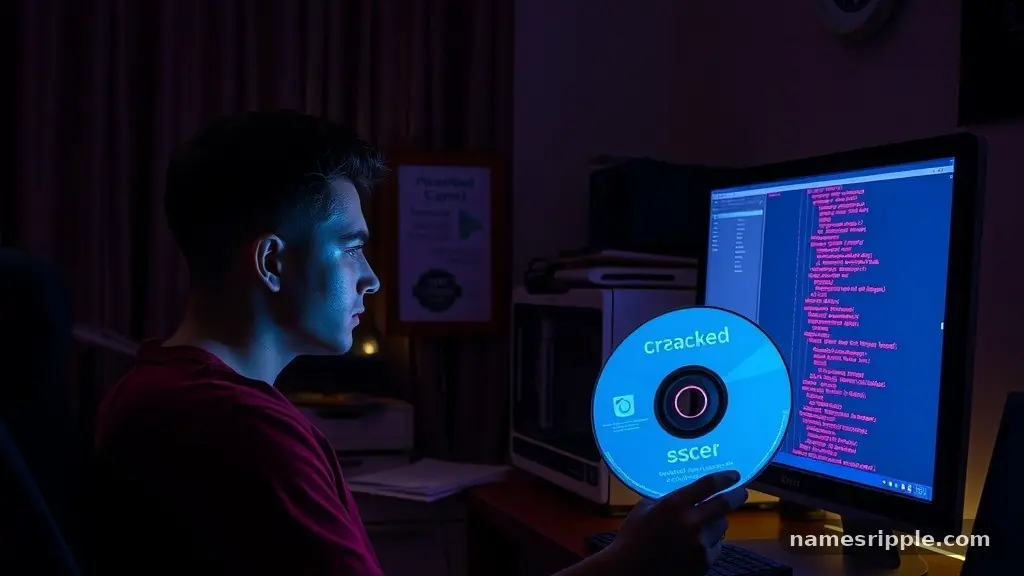
When you encounter a site with a name like Crackstube, it is often categorized as a specialized publishing platform or a repository for specific types of digital content. Historically, domains using this naming convention are frequently associated with the distribution of software keys, patches, or unauthorized media files. The term “crack” in this context refers to the modification of software to remove copy protection or license verification protocols.
Because these sites often change their specific URL or domain extension to avoid detection, tracking a single permanent entity is difficult. Users frequently find these pages through search engine queries when looking for ways to bypass paid software subscriptions. It is essential to recognize that such platforms do not operate like standard, authorized software distributors or legitimate content libraries.
Instead, they function as third-party aggregators that host files uploaded by anonymous contributors. The information provided on these pages is rarely vetted for accuracy or security, which is a major red flag for any standard internet user. If you are looking for secure software, it is always best to visit the Federal Trade Commission’s guide on online security to understand how to protect your digital identity.
How the Mechanics of the Site Function
At its most basic level, the site operates by indexing links to downloadable files that are hosted on external servers. When a user lands on a page, they are usually greeted with a series of buttons designed to look like legitimate download links. These links, however, often trigger pop-up advertisements or redirect the browser to entirely different websites.
The primary goal for the operators of these platforms is typically ad revenue rather than the provision of high-quality software. By forcing visitors to navigate through multiple layers of “click-through” advertisements, the site generates income for every impression or interaction. This is why the user experience on such a site is often cluttered, confusing, and prone to aggressive marketing tactics.
Furthermore, the actual files hosted on these services are frequently wrapped in proprietary installers. These installers may bundle the desired software with unwanted toolbars, tracking scripts, or potentially harmful programs. If a user does not pay close attention during the installation process, they may inadvertently grant administrative permissions to software that compromises their system’s integrity.
Assessing the Safety and Security Risks
The question of whether Crackstube is safe is one that requires a cautious answer. From a cybersecurity perspective, interacting with platforms that specialize in software modification is inherently risky. These sites lack the oversight and accountability of official developer portals or reputable software marketplaces.
One of the primary threats is the prevalence of malware hidden within the downloads. Because the content is user-submitted, there is no quality control or virus scanning taking place before the link is made public. Attackers often use the promise of “free” access to premium software as a lure to infect the computers of unsuspecting users.
Beyond the files themselves, the website environment is often insecure. Poorly maintained domains can be vulnerable to cross-site scripting attacks or malicious redirects that capture browser data. If you use the same password across multiple sites, a compromise on one insecure platform could potentially lead to wider vulnerabilities for your other accounts.
Comparing Legitimate Sources and Unverified Platforms
To better understand why users might look for alternatives, it is helpful to compare the characteristics of official software distribution channels against unverified platforms. The differences in terms of security, support, and long-term reliability are significant.
| Feature | Official Developer Site | Unverified Platforms |
|---|---|---|
| Security | High; files are digitally signed | Low; high risk of malware |
| Support | Full access to updates/help | None; community-only |
| Legal Status | Authorized and compliant | Often violates licensing |
| Reliability | Constant uptime and speed | Frequent broken links/redirects |
As shown in the table above, the trade-off for “free” content is almost always a loss of security and functional support. Official sites provide a clear path to updates, which are critical for patching security holes in modern software. Using unverified sources locks you into an outdated version of the software, leaving you vulnerable to bugs that the original developer has already addressed.
Common Indicators of Risky Websites
Recognizing the signs of a high-risk website can save you from significant technical headaches. Most platforms that operate in the gray area of software distribution share a set of common traits that should immediately put you on guard. If you notice these patterns, it is best to close the tab immediately.
- Excessive pop-up windows that appear immediately upon clicking any part of the page.
- Download links that lead to file-hosting services with names unrelated to the content.
- A lack of clear company information, physical address, or contact details.
- Web designs that use aggressive colors, flashing banners, or countdown timers.
- Browser warnings from your antivirus software or operating system when attempting to visit the domain.
These indicators are designed to pressure the user into acting quickly without thinking. By creating a sense of urgency, the site operators hope you will bypass the standard safety checks your browser performs. Always trust your browser’s built-in security warnings, as they are specifically designed to detect known malicious domains.
The Legal and Ethical Considerations
Beyond the immediate security risks, there are legal and ethical dimensions to using sites like this. Software developers invest thousands of hours and substantial capital into creating their products. When users bypass the payment systems designed to support this work, it undermines the ability of those developers to continue creating useful tools.
Furthermore, many jurisdictions have strict laws regarding the distribution of copyrighted material and the circumvention of digital rights management (DRM). Engaging with these platforms could potentially expose you to legal issues depending on your local regulations. While individual users are less frequently targeted than the site owners, the risks are not zero.
Supporting legitimate software development ensures that the tools you rely on continue to be updated and maintained. Many developers offer free tiers, student discounts, or open-source alternatives that provide high-quality functionality without the need for risky shortcuts. Exploring these official channels is always a more sustainable way to acquire the software you need for your projects.
Protecting Your Digital Information
If you have already visited a site similar to Crackstube, there are specific steps you should take to ensure your system remains secure. First, perform a full system scan using reputable, updated antivirus software. Do not rely on the built-in Windows or Mac tools if you suspect a deep infection; use a dedicated security suite that includes real-time protection.
Second, clear your browser cache, cookies, and history. Malicious sites often use cookies to track your activity across the web or to store session data that could be exploited. By removing these files, you effectively reset your browser’s state and remove any lingering tracking scripts from that session.
Third, if you have entered any personal information or passwords while on the site, change those passwords immediately. Use a unique, strong password for every service you use, and enable two-factor authentication wherever possible. This is the single most effective way to prevent a compromise on one site from affecting your entire digital life.
Frequently Asked Questions
Is it possible to get a virus from just visiting a website?
Yes, it is possible through a method known as a “drive-by download.” In these cases, malicious code is executed automatically when you load a page, even if you do not click any buttons or download any specific files. This is why it is critical to keep your browser and operating system fully updated to patch known vulnerabilities.
Why do search engines still show these sites?
Search engines index the entire web based on keywords, and they do not always immediately flag every site as malicious. While they have systems in place to demote or remove harmful domains, the sheer volume of new websites created daily makes it impossible to police every single page in real-time. Always exercise your own judgment rather than assuming a search result is safe just because it appears on the first page.
Are there safe alternatives to expensive software?
There are many legitimate alternatives to premium software that are free or significantly cheaper. For example, open-source projects like LibreOffice, GIMP, or Inkscape provide powerful features that rival professional-grade software. Many developers also offer “freemium” models, allowing you to use the core functionality of their products for free without any security risks.
What should I do if I accidentally downloaded a file?
Do not open or execute the file under any circumstances. Delete it from your computer immediately and empty your trash or recycle bin to ensure it is completely removed. Run a thorough scan of your system with a reputable antivirus program to confirm that no background processes were initiated by the file.
Conclusion
Navigating the internet requires a healthy level of skepticism, especially when dealing with platforms that promise free access to premium content. While sites like Crackstube may appear to be a convenient solution, the potential for malware, data theft, and system instability far outweighs the benefits. By sticking to official sources and maintaining good digital hygiene, you can protect your devices and your personal information from unnecessary risk.
The best path forward is to prioritize security and support the creators of the software you use. If you are unsure about a specific website, take a moment to research its reputation or use online safety tools to check the domain before interacting with it. Stay informed, stay cautious, and always choose the safer route when managing your digital presence.